All Categories
Featured
Table of Contents
To asses threat Waydev allows you to determine how likely it is a particular commit will cause issues. In this case, there specify information points that you must take into account, such as the dedicate's size, how far do the changes spread, along with the modifications' depth. Continuous Combination (CI) and Continous Development (CD) are vital in today's engineering environment due to the fact that they make sure that your group delivers software in an iterative form.
Reducing Enterprise Infrastructure Outlays in 2026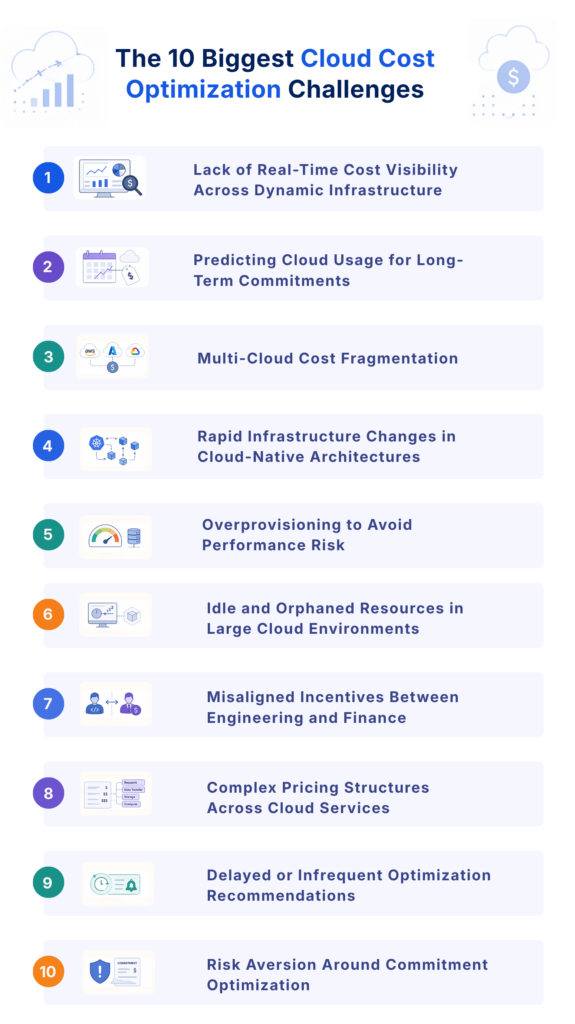
Our option immediately gathers information from the Constant Integration and Continous Advancement pipelines and tracks Gitlab repos, allowing you to evaluate details without needing any type of manual input. This is an exceptional method to monitor DevOps efficiency by focusing on DORA metrics. By automating these procedures and measurements, you might have a clear view of how implementation is going, assess what impacts burn-down rates, what triggers traffic jams, and how to solve them.
With Waydev's Task Expenses report, you have consistent insights on how work is progressing and how things look financially. This enables you to reallocate resources to deliver on time or optimize costs and interact project status to service leaders. When done right, the aligns business requirements with innovation procedures, allowing Engineering Managers to optimize performance and analyze dangers.
IT governance focuses on setting strategic direction, policies, and oversight. Training needs to cover structure concepts, brand-new policies and treatments, governance roles and obligations, and any governance tools or systems being carried out.
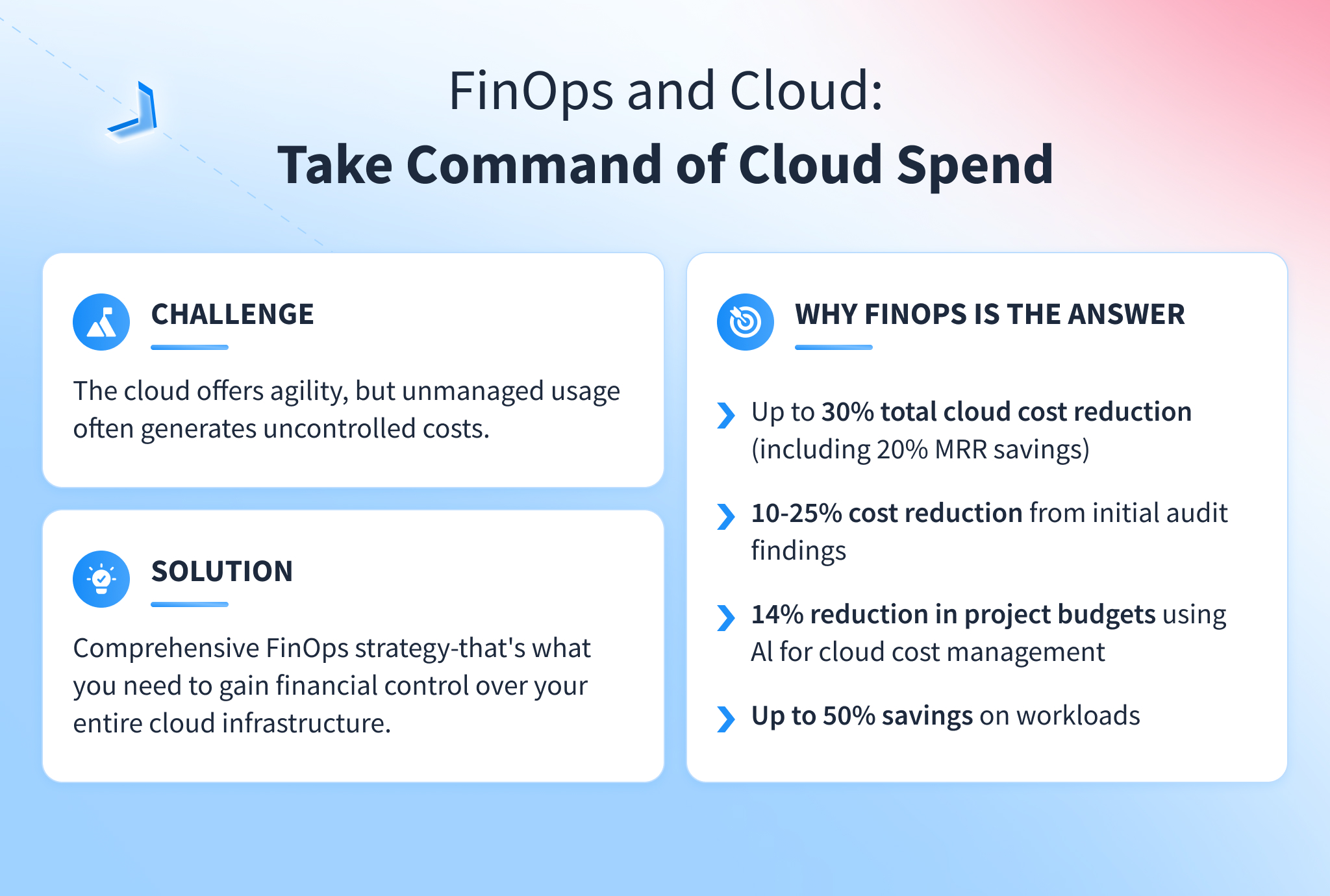
Analyzing Centralized Cloud Infrastructure Strategies for 2026
More frequent evaluations may be needed for fast-changing environments. KPIs to measure efficiency include IT cost optimization, IT and service technique positioning, user complete satisfaction, task ROI, and adherence to service levels. Threat management determines threats, examines effects, and establishes mitigation techniques. It ensures governance adequately deals with info security, catastrophe recovery, and regulatory compliance.
IT governance manages governance and risks while keeping compliance with market and government regulations. Enhancing IT governance needs the ideal mix of IT investments, policy and workers.
It is increasingly a component of DevOps groups responsible for IT operations. DevOps groups interact more effectively to create, test and provide software application. As organizations increase their IT investments, the value of a strong IT governance policy boosts. Chief info officers (CIOs) drive IT governance method together with other key stakeholders in the C-suite.
How Cost Governance Scales 2026 IT InfrastructureReliable IT governance lines up innovation choices with company technique, controls risk, and ensures IT resources are used efficiently. This guide covers each action in practical information, along with the structures, tools, and best practices IT leaders use today.
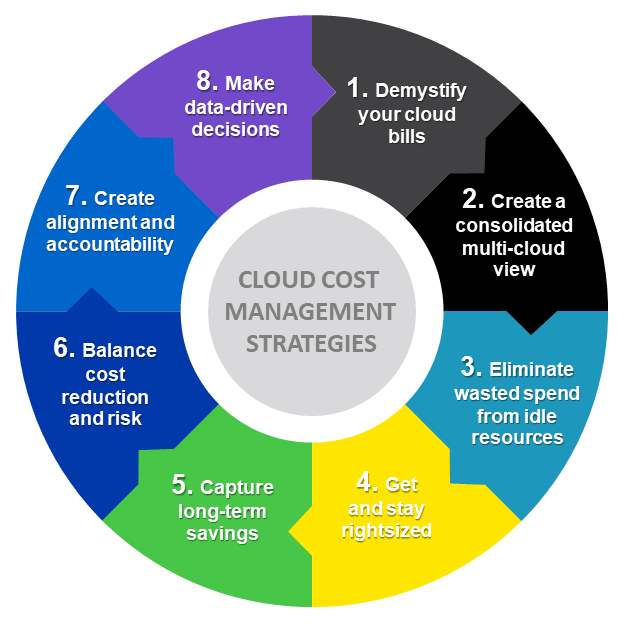
Analyzing Centralized Cloud Governance Strategies for 2026
IT governance is a formal structure that directs and manages how an organization's information technology resources are handled, so that IT activity supports and advances total company objectives. It covers four interconnected areas:-preparation, organizing, and directing the use of technology resources -securing sensitive individual and corporate information and conference regulatory commitments - the day-to-day tasks the IT department performs to meet predetermined objectives - the policies and controls that protect the stability and security of IT systems According to IBM, effective IT governance is a crucial part of total service method and business governance, frequently forming part of a broader Governance, Risk , and Compliance (GRC)policy. Effective IT governance produces a direct link between innovation financial investment and quantifiable organization outcomes. When governance is missing or inadequately created, IT departments operate in seclusion, replicating effort, accumulating shadow IT, and developing compliance gaps. When governance is strong, IT decisions are made by the right individuals at the best level, resources are directed toward tactical priorities, and risk is handled proactively. For companies undergoing digital improvement, governance is what avoids technology change from outmatching the company's capability to soak up and take advantage of it. Lemon Learning's IT application assistance services are developed to help groups embed governance processes into daily workflows so adoption equals modification. Executing reliable IT governance and IT management follows a repeatable procedure. Engage senior IT managers, organization unit leaders, compliance officers, and key partners. Appoint clear accountability for each governance domain. File escalation paths so that disagreementsare fixed at the right level rather than defaulting upward or stalling entirely. Describe the common IT governance errors organizations make at this phase to avoid duplicating them. The choice depends upon size, industry, regulatory environment, and maturity. The most commonly adopted options are compared in the table listed below. Framework Primary focus Finest fit for IT governance and management, risk control, audit preparedness Big business, controlled industries IT service management lined up to business requirements Organizations with a fully grown IT service function International standards for IT service management and business IT governance Organizations looking for licensed, worldwide acknowledged governance CMMI(Capability Maturity Design Combination)Process enhancement rated on a scale of 1 to 5 Organizations benchmarking and enhancing advancement or delivery capability COSO (Committee of Sponsoring Organizations of the Treadway Commission)Internal control and business threat management Organizations focusing on monetary controls and fraud deterrence CIS( Center for Internet Security)Controls Cybersecurity and infrastructure resilience Organizations reinforcing technical security posture Numerous organizations combine structures. Check out the vital security accreditations that complement these governance frameworks. An IT governance strategy only becomes genuine when it is documented, prioritized, and shared. The roadmap ought to define: Short, medium, and long-term IT governance turning points Resource requirements and spending plan allotment Specific IT projects tied to business objectives Communication touchpoints for all stakeholders Training and capability-building activities for IT and company personnel Strategic positioning is the foundation of this action. Picking the right mode for your organization forms the whole roadmap. Interaction is not a one-time event. All stakeholders- from the board and senior management to IT personnel and end users-need to understand the governance strategy, their function in it, and how success will be measured. Governance that is not measured does not improve. Dashboard metrics usually cover: IT system efficiency and schedule IT resource utilization and expense effectiveness Danger incidents and their resolution times Positioning in between IT job results and company objectives Compliance audit results Official external evaluation by an acknowledged standards body can include trustworthiness and surface blind spots that internal reviews miss.

Latest Posts
Refining Resource Allocation to Reduce Excess IT Costs
How to Optimize Cloud Budgets in 2026
Is Your 2026 IT Spending Ready?