All Categories
Featured
Table of Contents
The need for cloud infrastructure soars as the IT industry grows, increasing the complexity of property tracking and managing resources. Platform, DevOps and SRE engineers are important in handling these environments, enhancing operations, and preparing for the future. According to Gartner, by 2025, over 90% of breaches in the cloud will have a root cause of avoidable misconfigurations or mistakes by end users.
Here's why cloud possession management is a game-changer for contemporary engineering groups. Cloud providers like AWS and Google prioritize data defense, however organizations stay accountable for constant security improvements.
If several group members deploy cloud resources separately, maintaining a complete inventory of the resources ends up being tough, compromising security concepts, expense optimization, and security steps. Here are some of the challenges faced by groups fighting with cloud possession management: Cloud environments continually change, with brand-new possessions being provisioned and decommissioned frequently.
For instance, In a hybrid cloud environment, different teams might utilize AWS, Azure, or GCP, needing different tools for insights. Normally, no single tool uses a unified multi-cloud dashboard, making it challenging to preserve a detailed cloud possession inventory. As an outcome, PowerShell/Bash scripts are typically used, or the job is done by hand.
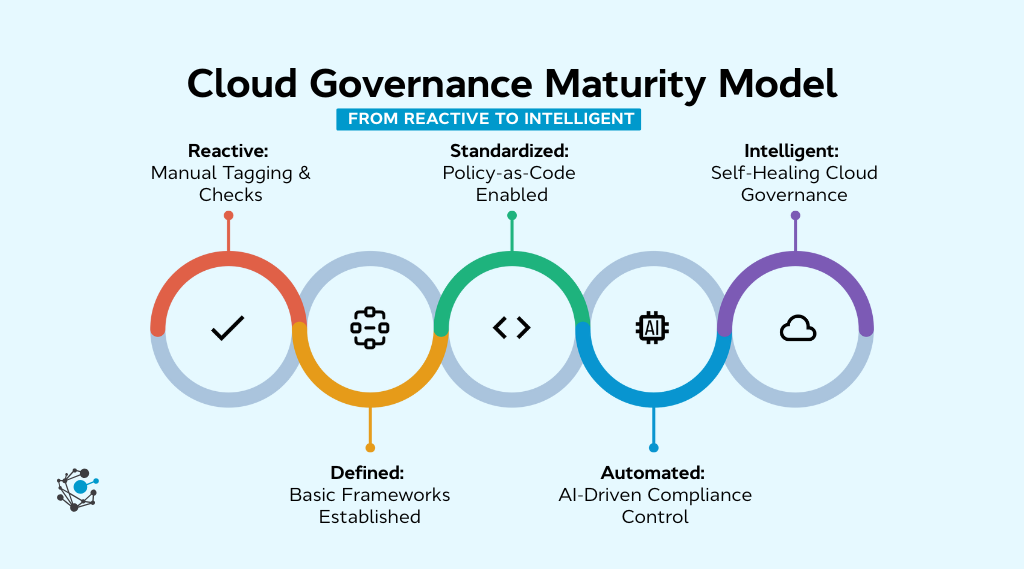
Without a correct tag management system, determining ownership, use, and upkeep of cloud resources is challenging. Inconsistent tagging makes complex cloud cost management and responsibility.
Leveraging Asset Metrics for Budgetary SuccessStrategic Budget Planning for Modern Cloud Environments
IaC tools simplify cloud resource provisioning, however this ease makes complex keeping an eye on user activities and tracking resource changes. An RBAC policy governing what can be provisioned and what is off-limits based on user functions is important. Discrepancies occur if a DevOps engineer inventories cloud properties for expense preparation, but someone changes the instance size of 5 VMs without updating the IaC code.
Embracing webcam can spell huge ROI, plus provide: The main benefit of tracking cloud properties is attaining total exposure of all resources that deliver cloud services. This comprehensive view makes it possible for precise possession lifecycle management, guaranteeing that properties are efficiently monitored, maintained, and optimized throughout their life-span. For instance, the system aggregates information from AWS EC2 instances, Azure VMs, and Google Cloud Compute Instances into a single dashboard, allowing IT administrators to see all compute resources, monitor their statuses, and ensure appropriate tagging and use.
However a robust cloud possession inventory service doesn't simply list your resources; it provides a wealth of information about each asset: Resource type and specificationsCreation date and last modified timestampAssociated tags and metadataOwnership and access permissionsCost and usage metricsRelationships and reliances with other assetsThis detailed information is essential for making informed decisions about resource allocation, security steps, and cost management strategies.
To deal with the rise, the website uses on-demand scaling with a cloud company like AWS. As traffic spikes, additional servers (EC2 circumstances) instantly launch to handle the increased load.
By getting a thorough understanding of their cloud asset inventory, companies can make knowledgeable decisions on security measures, boosting their general security posture. For example, a monetary services business that stores sensitive consumer information on cloud platforms such as AWS, Azure, and Google Cloud. To guarantee robust security, they require a clear list of the possessions and their configuration.
Is the IT Budget Prepared for 2026?
Organizations must execute processes for continually keeping track of and recognizing misconfigurations in workloads to maintain a protected environment. A couple of examples of misconfigurations in cloud resources consist of opening important ports such as database ports, SSH ports, RDP ports, and so on, to the web without limiting IPs, openly accessible S3 buckets, or giving extreme authorizations to IAM policies.
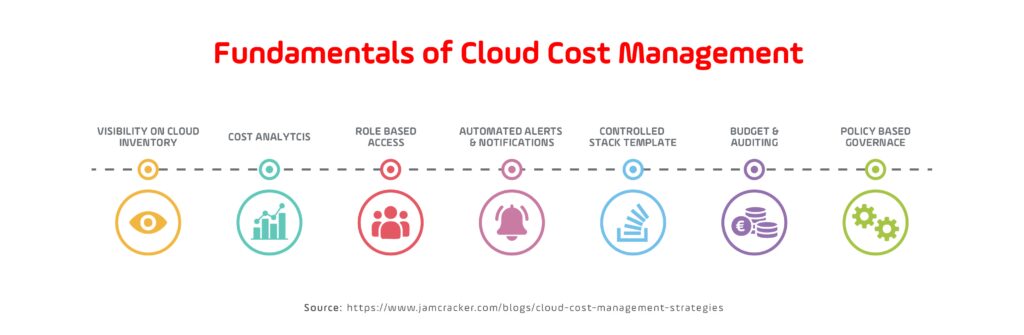
At the very same time, it empowers DevOps to ramp Infrastructure-as-Code up quickly and to develop and release cloud infrastructure safely and consistently within organizational policies. Firefly is a Cloud Possession Management software solution that helps DevOps, Platform Engineering, and SRE groups simplify their cloud management using Infrastructure-as-Code (IaC), which lowers cloud intricacy, boosts possession performance, and develops a reliable platform.
Firefly supports cloud service suppliers like AWS, GCP, K8s Clusters, DataDog, GitHub, Akamai, Okta, Terraform, Pulumi, and more, making it an effective piece of cloud asset management software for many of the cloud landscape. Firefly helps you manage your entire multi-cloud footprint.

Latest Posts
Refining Resource Allocation to Reduce Excess IT Costs
How to Optimize Cloud Budgets in 2026
Is Your 2026 IT Spending Ready?